Indie studios are retracting public demos and tightening pre-release testing after a string of fast-moving clone projects built with the help of generative AI and reverse‑engineering techniques, industry reports show. Developers say gameplay videos and demo builds that once served as marketing collateral are now being used as raw material to create imitation titles and web ports in a matter of days.
Developers cancel public demos and move to closed trials
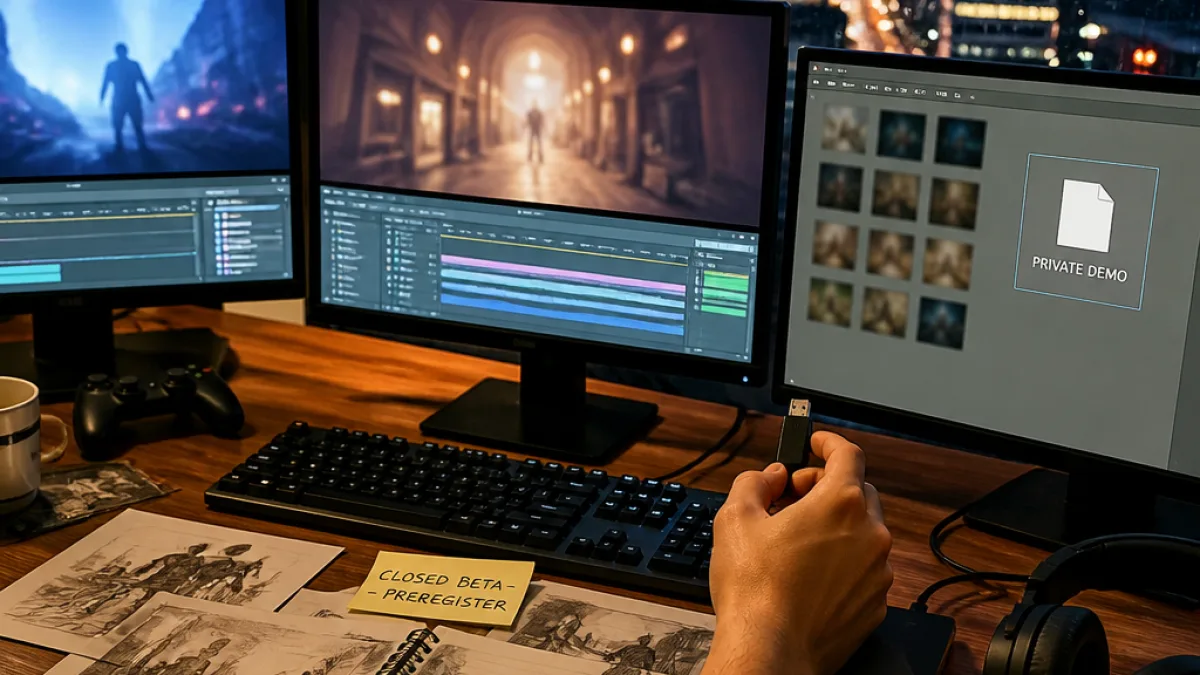
Japanese developer Alliance Arts abruptly canceled a planned public demo for its upcoming title Drunken Goddess Reflex, saying on X that it feared “results rapidly imitating or replicating the game's presentation and play style using AI and other tools based on demo content could be released before the official launch date.” The company announced it would instead run a private online demo limited to preregistered participants.
“We are concerned that results rapidly imitating or replicating the game's presentation and play style using AI and other tools based on demo content could be released before the official launch date,” Alliance Arts said on X.
Reports collected by industry outlets and developers cite multiple incidents in which short gameplay clips, trailers or small demo uploads were sufficient for AI-assisted teams to reproduce core systems or create lookalike projects. In one example, developer Pandorio Games posted a gameplay video for Escape the Walls, and within a day multiple clones appeared on Roblox and at least one copy was uploaded to Steam.
How clones are being produced so quickly
According to reporting, the traditional reverse-engineering workflow — once a labor-intensive process measured in months or years — has been accelerated by generative AI tools and automated agents. These systems can analyze executable files or visual assets, infer mechanics and accelerate porting or recreation efforts to other platforms, including browser and mobile environments.
- Rapid porting: community projects or imitation builds have made console and PC titles playable in browsers or on devices they were not designed for.
- Platform spread: clones have appeared on Roblox, Steam and as web ports within days of demo or video publication.
Industry observers say the phenomenon has already moved beyond hobbyist reverse engineering of classic games to abuse targeting unreleased and in‑development projects.
What developers are doing and why it matters
Indie studios are increasingly weighing the visibility gains from public demos against the risk that an imitation will undercut a launch window or siphon attention. The immediate reactions documented include:
- canceling scheduled public demos and trailers;
- restricting demos to private, preregistered audiences;
- delaying some public promotional activities to reduce exposure of core systems and assets.
The shift has implications for discovery and community building. Public demo windows, festival appearances and widely shared clips have long been essential to building early momentum for indie games. If developers limit public access to protect their work, that may reduce opportunities for organic reach on social platforms and storefronts that reward engagement during demo periods.
Platforms and storefronts have not announced industry‑wide mitigations in the reports cited. Developers and publishers will need to balance the protective measures against the marketing value of open demos, while platform holders and legal authorities consider whether existing policies and takedown processes are adequate to address rapid AI‑assisted reproduction.
For Philippine and Southeast Asian indie teams — many of whom rely on public demos, festival showcases and social sharing to reach audiences without large marketing budgets — the trend raises fresh questions about how to protect prototypes and maintain momentum during pre‑launch promotion.
| Example | Action taken |
|---|---|
| Drunken Goddess Reflex (Alliance Arts) | Public demo canceled; private preregistered trial announced |
| Escape the Walls (Pandorio Games) | Gameplay video followed by multiple clones on Roblox and at least one on Steam within a day |
Developers and industry watchers quoted in the coverage describe a race for speed: copycats can appear before an official release or even before a public demo has completed its promotional window. The reports underscore how generative AI is changing the threat model for creative industries that depend on early access and shared media. The long‑term response from platforms, storefronts and regulators will determine whether public demos can continue to serve as the discovery engine for indie games, or whether alternative, more controlled models become the norm.